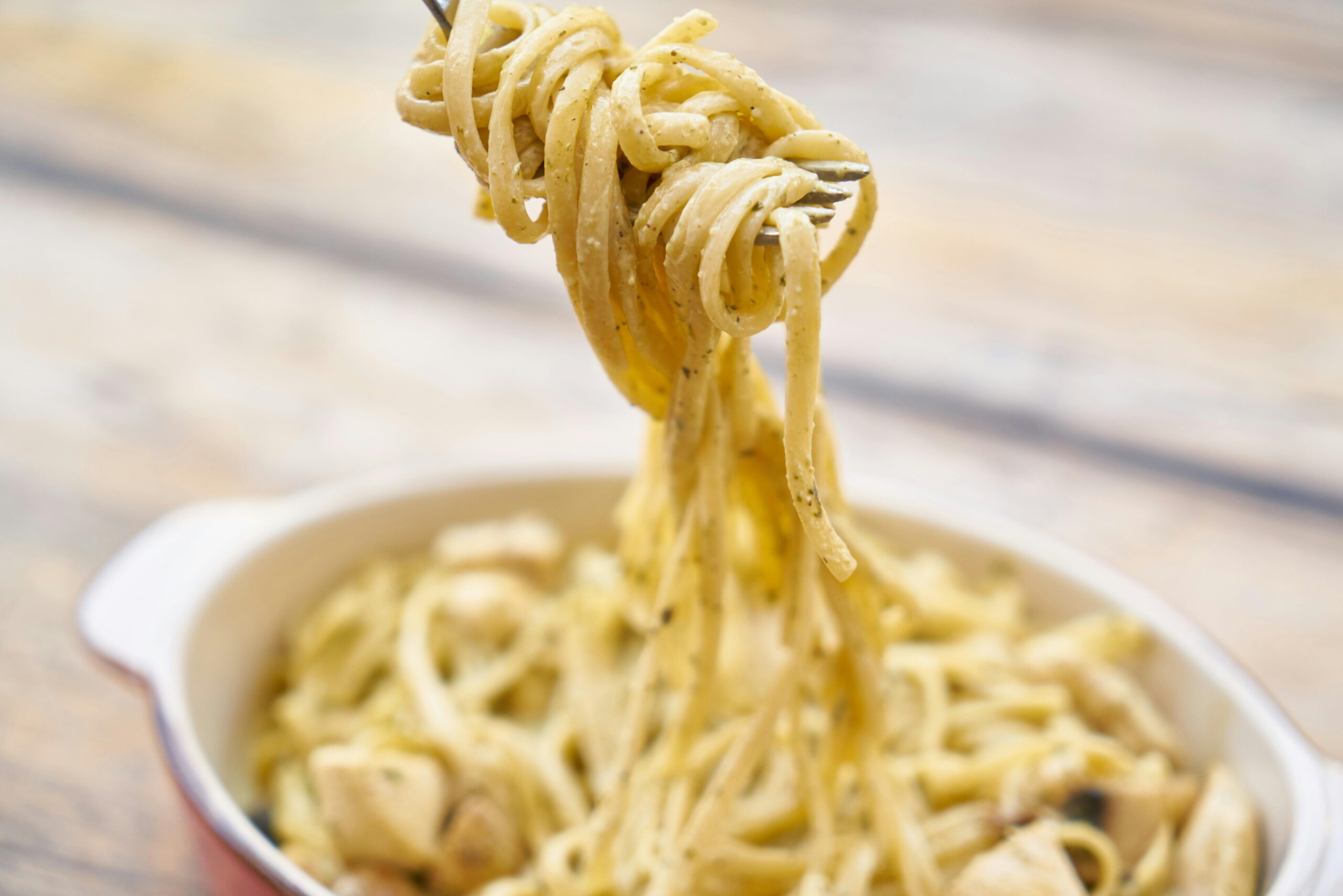
Alfredo sauce is a quintessential Italian dish that has found its way into the hearts and kitchens of food lovers around the world. Known for its rich, creamy texture and indulgent flavor, this sauce transforms simple pasta into a decadent meal. Whether you’re preparing a cozy dinner for family or impressing guests at a gathering, homemade Alfredo sauce is a delightful addition to your culinary repertoire. In this article, we will explore the essential ingredients, provide a step-by-step guide to making this creamy sauce, and share tips and variations to elevate your Alfredo experience.
Essential Ingredients for Alfredo Sauce
Creating the perfect homemade Alfredo sauce starts with selecting the right ingredients. The quality of each component plays a significant role in achieving that rich, creamy flavor. Here’s what you will need:
- 1 cup heavy cream
- 1/2 cup freshly grated Parmesan cheese
- 1/4 cup unsalted butter
- 2 cloves garlic, minced
- Salt, to taste
- Freshly ground black pepper, to taste
- Chopped parsley, for garnish (optional)
These ingredients combine to create a sauce that is not only delicious but also easy to prepare. The heavy cream provides a rich base, while the Parmesan cheese adds a nutty, savory depth. Garlic infuses the sauce with aromatic flavor, and butter enhances its silkiness. By using freshly grated Parmesan rather than pre-packaged cheese, you ensure a smoother melt and a more robust taste.
Step-by-Step Guide to Making Alfredo Sauce
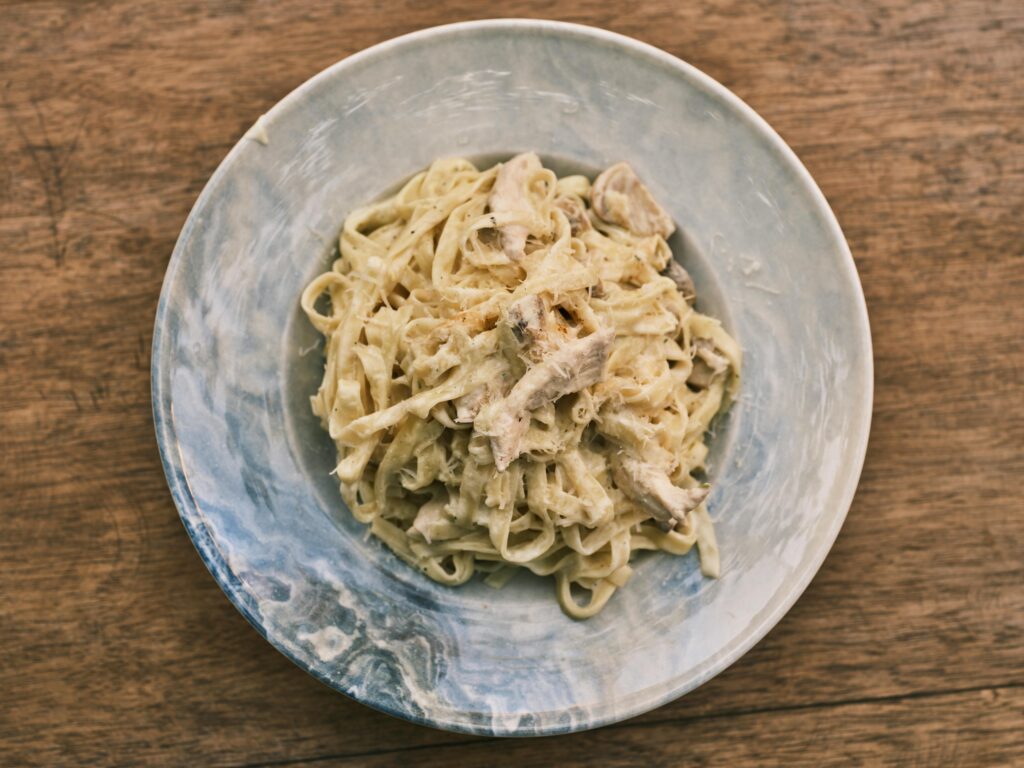
Now that you have gathered your ingredients, it’s time to dive into the process of making creamy Alfredo sauce. This recipe is straightforward and can be completed in less than 30 minutes, making it perfect for busy weeknights or special occasions.
- Begin by melting the butter in a medium saucepan over medium heat. It’s important to use low to medium heat to prevent the butter from browning.
- Once the butter has melted, add the minced garlic to the pan. Sauté the garlic for about 1 minute, stirring frequently to avoid burning. You want the garlic to become fragrant but not browned.
- Next, pour in the heavy cream and increase the heat to medium-high. Stir the mixture constantly as it heats up. Allow the cream to simmer gently for 2-3 minutes. You should see small bubbles forming around the edges of the pan.
- Reduce the heat back to medium and gradually whisk in the freshly grated Parmesan cheese. Continue whisking until the cheese has completely melted and the sauce is smooth. This step is crucial for achieving that velvety texture.
- Season the sauce with salt and freshly ground black pepper to taste. Remember, the cheese contains salt, so be cautious not to over-season.
- Once the sauce is well-seasoned and creamy, remove it from the heat. Your homemade Alfredo sauce is now ready to be tossed with your favorite pasta.
Tips for Perfecting Your Alfredo Sauce
While making Alfredo sauce is quite simple, a few tips can help you achieve the best results. These recommendations will ensure that your sauce is perfectly creamy and flavorful every time you make it.
- Use high-quality ingredients. The better the ingredients, the better the sauce will taste. Opt for fresh garlic and good-quality Parmesan cheese.
- Don’t skip the garlic. It adds a wonderful depth of flavor that complements the richness of the cream and cheese.
- Be careful not to overheat the sauce. High temperatures can cause the cream to separate, resulting in a grainy texture. Always keep the heat moderate.
- For a smoother sauce, consider using an immersion blender after the cheese has melted. This will ensure an ultra-creamy consistency.
- Leftover Alfredo sauce can be stored in an airtight container in the refrigerator for up to three days. Reheat gently on the stove with a splash of cream or milk to bring it back to its original consistency.
Variations on Classic Alfredo Sauce
While traditional Alfredo sauce is delicious on its own, there are numerous variations you can explore to add different flavors and ingredients. These adaptations can make your sauce even more exciting and tailored to your taste preferences.
One popular variation is to add cooked chicken or shrimp to the Alfredo sauce for a heartier dish. Simply sauté your protein of choice in the same pan before adding the garlic, allowing the flavors to meld beautifully. Another option is to include vegetables such as spinach, broccoli, or peas. These not only add color to your dish but also provide a nutritional boost.
If you’re looking to spice things up, consider incorporating crushed red pepper flakes or a touch of nutmeg into the sauce. These ingredients can enhance the flavor profile and add a subtle warmth. For a different twist, try adding cream cheese or mascarpone cheese for an even richer
texture.
For those who prefer a lighter version, you can substitute half-and-half for heavy cream or use a combination of Greek yogurt and milk. While it may alter the sauce’s richness, this option still yields a creamy result that pairs well with pasta.
Experimenting with herbs can also introduce new flavors to your Alfredo sauce. Fresh basil or thyme can complement the richness of the dish, while a squeeze of lemon juice can brighten it up. Just remember to add these ingredients sparingly to maintain the sauce’s balance.
Serving Suggestions for Alfredo Sauce
Homemade Alfredo sauce is incredibly versatile and can be served in various ways. The most classic pairing is with fettuccine pasta, but feel free to experiment with your favorite types of pasta, whether it be penne, gnocchi, or even zucchini noodles for a low-carb option.
When serving, toss the pasta in the sauce until it’s well coated. For an added touch, reserve some of the pasta cooking water before draining; this can be stirred into the sauce to achieve the desired consistency. Plate your pasta and sprinkle with additional grated Parmesan cheese and freshly chopped parsley for a pop of color and flavor.
Alfredo sauce also works wonderfully as a base for lasagna or as a creamy topping for baked casseroles. You can layer it between sheets of pasta with sautéed vegetables or meats for a delightful twist on traditional lasagna.
For a lighter option, consider serving Alfredo sauce with grilled or roasted vegetables. The creaminess of the sauce pairs beautifully with the charred flavors of vegetables like asparagus, bell peppers, or eggplant. You can even drizzle it over a fresh salad for an unexpected yet delicious dressing.
Final Thoughts on Homemade Alfredo Sauce
Making your own Alfredo sauce is not only simple but also rewarding. The creamy texture and rich flavor elevate any dish, making it a favorite among pasta lovers. By following the ingredients and steps outlined in this article, you can create a delicious sauce that rivals any restaurant version. Remember to experiment with variations and serving suggestions to make it your own. With a little practice, you’ll be able to whip up this classic sauce with ease, impressing family and friends with your culinary skills. Enjoy your homemade Alfredo sauce, and savor every creamy bite!